Skip to content

777 Larkfield Rd # 107, Commack, NY 11725, United States

(631) 261-3033

Gentle Dental
  • About
    • Meet Our Team
    • Blog
  • Services
    • General Dentistry
      • Dental Cleaning And Exams
      • Bone Grafting
      • Dental Sealants
      • Dentures
      • Digital X-Rays
      • Family Dentistry
      • Fluoride Treatment
      • Gum Contouring
      • Tooth Extractions
      • Tooth Fillings
      • Invisalign
      • Gum Grafts
      • Scaling and Root Planing
      • Periodontal Care
      • Oral Cancer Screening
    • Cosmetic Dentistry
      • Cosmetic Tooth Bonding
      • Dental Crowns
      • Dental Bridges
      • Dental Veneers
      • Teeth Whitening
    • Restorative Dentistry
      • Dental Implants
      • All-On-4 Dental Implants
      • Root Canal Therapy
      • Porcelain Inlays And Onlays
    • Emergency Dentistry
    • Pediatric Dentistry
    • Endodontics
  • Financing
  • New Patients
  • Smile Gallery
  • Contact
Book An Appointment
  • Dental Implants vs Real Teeth: Pros & Cons

    Dental Implants vs Real Teeth: Pros & Cons

    Are you curious about the differences between dental implants vs real teeth: pros & cons? Dental implants offer a durable solution for missing teeth, while real teeth provide natural aesthetics and function. Understanding the benefits and drawbacks of each can help in making informed decisions about oral health.

    Dental Implants vs Real Teeth: Cost Comparison

    When considering dental implants vs real teeth, cost is a significant factor for many individuals. Dental implants often involve a higher initial investment compared to maintaining natural teeth. This is due to the surgical procedures, materials, and expertise required for implant placement. On the other hand, real teeth may incur costs over time through regular dental care, potential treatments for decay, or other dental issues. It’s important to weigh these financial aspects when evaluating the long-term value of dental implants vs real teeth.

    In the debate of dental implants vs real teeth, understanding the cost implications can help in making informed decisions. While dental implants might seem expensive upfront, they can offer durability and longevity that might offset future dental expenses. Conversely, maintaining real teeth involves ongoing care and potential treatments that can accumulate costs over time. For more insights into common misconceptions about artificial teeth, you can explore our article Are Fake Teeth Bad? Myths Debunked.

    Durability and Longevity

    When considering dental implants vs real teeth, durability and longevity are crucial factors to evaluate. Real teeth, when properly cared for, can last a lifetime. However, they are susceptible to decay, wear, and other dental issues that can compromise their integrity over time. On the other hand, dental implants are designed to be a long-lasting solution, often made from durable materials like titanium. These materials are resistant to decay and can withstand the pressures of daily use, making them a reliable option for those seeking a permanent solution to tooth loss.

    The longevity of dental implants vs real teeth also depends on individual circumstances, such as oral hygiene practices and lifestyle choices. While real teeth require regular maintenance to prevent cavities and gum disease, dental implants require care to ensure the surrounding gums and bones remain healthy. Both options have their own set of challenges and benefits when it comes to durability and longevity. For more information on dental implants, you can consult the Dental Implant Experts Commack.

    Aesthetic Appeal

    When considering the aesthetic appeal in the debate of dental implants vs real teeth, both options present unique advantages. Real teeth naturally offer a look that is familiar and authentic, often blending seamlessly with one’s overall appearance. On the other hand, dental implants are designed to mimic the appearance of natural teeth closely, providing a consistent and polished look that can enhance a smile. The choice between dental implants and real teeth in terms of aesthetics often depends on individual preferences and the specific dental situation, as both can contribute to a visually pleasing smile.

    Comfort and Fit

    When considering dental implants vs real teeth, comfort and fit are crucial factors that can significantly impact your daily life. Real teeth, naturally designed to fit perfectly within your mouth, offer a seamless experience when it comes to chewing and speaking. On the other hand, dental implants are meticulously crafted to mimic the natural fit of real teeth, providing a stable and comfortable solution for those who have lost their natural teeth. The sensation of having a secure and well-fitted set of teeth can enhance your confidence and overall oral health. For more information on dental care options, visit Gentle Dental at Commack Dentist.

    Maintenance Requirements

    When considering dental implants vs real teeth, understanding the maintenance requirements for each is crucial. Real teeth require regular brushing, flossing, and dental check-ups to prevent cavities and gum disease. On the other hand, dental implants, while not susceptible to decay, still necessitate diligent oral hygiene practices to ensure the health of the surrounding gums and bone. Both options demand a commitment to oral care, but the specific needs can vary, highlighting the importance of tailored maintenance routines for optimal oral health.

    Impact on Oral Health

    When considering dental implants vs real teeth, it’s essential to understand their impact on oral health. Real teeth play a crucial role in maintaining the natural structure of the mouth and jaw, supporting overall oral health by facilitating proper chewing and speech. They also help in preserving the health of the surrounding gums and bone. On the other hand, dental implants are designed to mimic the function of real teeth, providing a stable and durable solution for missing teeth. They can help prevent bone loss in the jaw and maintain the alignment of surrounding teeth. Both options have unique implications for oral health, making it important to weigh their benefits and limitations carefully.

    Eating and Chewing Efficiency

    When considering dental implants vs real teeth, one of the key aspects to evaluate is eating and chewing efficiency. Real teeth are naturally designed to handle the forces of biting and chewing, providing a seamless experience when enjoying a variety of foods. They have a natural ability to sense pressure and texture, which aids in effective mastication. On the other hand, dental implants, while engineered to mimic the function of real teeth, may offer a slightly different experience. They are securely anchored into the jawbone, which can provide stability and strength similar to natural teeth, but the sensory feedback might not be as pronounced. Understanding these differences can help individuals appreciate how each option performs in terms of eating and chewing efficiency.

    Risk of Infection or Complications

    When considering dental implants vs real teeth, it’s important to understand the potential risks of infection or complications associated with each option. Dental implants, while a popular choice for replacing missing teeth, involve a surgical procedure that can carry a risk of infection at the implant site. This risk is generally low but can lead to complications if not properly managed. On the other hand, real teeth can also be susceptible to infections, such as cavities or gum disease, which can lead to more serious dental issues if untreated. Both dental implants and real teeth require diligent oral hygiene to minimize these risks and maintain overall oral health.

    Psychological and Emotional Factors

    When considering dental implants vs real teeth, it’s important to acknowledge the psychological and emotional factors that come into play. The presence of natural teeth often contributes to a sense of identity and self-esteem, as they are an integral part of one’s appearance and personal history. On the other hand, dental implants can offer a renewed sense of confidence for those who have experienced tooth loss, as they provide a stable and aesthetically pleasing solution. The decision between dental implants and real teeth can evoke a range of emotions, from relief and satisfaction to anxiety and uncertainty, depending on individual experiences and expectations. Understanding these emotional dynamics is crucial in making an informed choice that aligns with one’s personal well-being.

    Conclusion

    In the debate of dental implants vs real teeth, understanding the pros and cons can guide your decision; for more information, call 631-261-3033 or check out reviews on Google Maps.

    Gentle Dental NY

    December 31, 2024
  • Are Fake Teeth Bad? Myths Debunked

    Are Fake Teeth Bad? Myths Debunked

    Are fake teeth bad, or is it just a myth that needs debunking? While some concerns about artificial teeth persist, many misconceptions are based on outdated information rather than current dental advancements. Understanding the truth can help dispel these myths and provide clarity on the topic.

    Are Fake Teeth Bad? Cost Comparison

    When considering dental solutions, many people ask, “are fake teeth bad?” This question often arises when evaluating the cost implications of different dental options. The financial aspect is a significant factor for many individuals, as the expenses associated with dental procedures can vary widely. Comparing the costs of various dental solutions, such as dentures, bridges, and implants, can help individuals make informed decisions. While some may perceive fake teeth as a more affordable option, it’s essential to consider the long-term financial implications and potential maintenance costs associated with each choice.

    In the realm of dental solutions, understanding the cost comparison is crucial. For instance, while initial expenses for certain options might seem lower, the longevity and durability of alternatives like implants could offer better value over time. To explore this further, you can refer to our Dental Implant Upper Molar Guide, which provides insights into one of the more durable options available. Ultimately, when pondering “are fake teeth bad?” it’s important to weigh both the immediate and future financial commitments involved in each dental solution.

    Durability and Longevity

    When considering the question, “are fake teeth bad?” it’s important to understand the durability and longevity of dental prosthetics. Modern advancements in dental technology have significantly improved the materials and techniques used in creating fake teeth, making them more resilient and long-lasting than ever before. These prosthetics are designed to withstand the daily wear and tear of chewing and speaking, providing a reliable solution for those who need them. The materials used are often resistant to staining and chipping, ensuring that they maintain their appearance over time.

    The longevity of fake teeth largely depends on the individual’s oral hygiene practices and regular dental check-ups. With proper care, these dental solutions can last for many years, offering a stable and aesthetically pleasing alternative to natural teeth. This durability dispels the myth that fake teeth are inherently bad or short-lived. For more information on how dental implants can provide a lasting solution, visit Commack Dental Implant Solutions.

    Aesthetic Appeal

    When considering the question, “are fake teeth bad?” it’s important to address the aesthetic appeal they offer. Modern dental prosthetics have come a long way in mimicking the natural look of real teeth, providing individuals with a seamless and confident smile. The materials used in creating fake teeth are designed to closely resemble the color, texture, and translucency of natural teeth, making them an attractive option for those seeking to enhance their appearance. While some may worry about the authenticity of their smile, advancements in dental technology have made it increasingly difficult to distinguish between real and artificial teeth, thus debunking the myth that fake teeth are inherently unattractive.

    Comfort and Fit

    When considering the question, “Are fake teeth bad?” it’s important to address common misconceptions about comfort and fit. Many people worry that artificial teeth might be uncomfortable or ill-fitting, but advancements in dental technology have significantly improved their design. Today, fake teeth are crafted to closely mimic the natural contours of your mouth, providing a snug and comfortable fit. This ensures that they not only look natural but also feel secure, allowing you to speak and eat with confidence. If you’re curious about how modern dental solutions can enhance your smile, consider reaching out to Gentle Dental, your trusted Commack Dentist.

    Maintenance and Care

    Proper maintenance and care are essential for ensuring the longevity and functionality of fake teeth. Regular cleaning routines help in maintaining their appearance and preventing any potential issues that could arise from neglect. It’s important to be aware of the specific requirements for different types of fake teeth, as they may vary in terms of materials and construction. Understanding these needs can contribute to a more comfortable and lasting experience with your dental prosthetics. Additionally, being informed about the general practices for maintaining oral hygiene can support the overall health of your mouth, complementing the care of your fake teeth.

    Impact on Oral Health

    When considering the question, “are fake teeth bad?” it’s important to understand their impact on oral health. Fake teeth, such as dentures or dental implants, are designed to restore functionality and aesthetics to individuals who have lost natural teeth. While some may worry about potential negative effects, these dental solutions are generally crafted to support oral health by maintaining proper alignment and preventing further oral issues. They can help in preserving jawbone structure and ensuring that remaining natural teeth do not shift out of place. However, like any dental appliance, they require proper care and maintenance to ensure they do not contribute to oral health problems.

    Procedure and Recovery Time

    When considering the question, “are fake teeth bad?” it’s important to understand the procedure and recovery time involved in getting dental prosthetics. Generally, the process begins with a thorough dental examination to assess the best approach for each individual. The procedure itself can vary depending on the type of fake teeth being fitted, whether they are dentures, bridges, or implants. Typically, the procedure is performed under local anesthesia, ensuring minimal discomfort. Recovery time can also differ based on the complexity of the procedure and the individual’s healing process. While some may experience a quick recovery, others might need a few weeks to fully adjust to their new teeth. Understanding these aspects can help dispel myths and provide clarity on whether fake teeth are a suitable option for dental restoration.

    Risk of Complications

    When considering the question, “are fake teeth bad?” it’s important to understand the potential risk of complications associated with dental prosthetics. While modern dentistry has made significant advancements in the safety and effectiveness of fake teeth, there are still some risks that patients should be aware of. These can include issues such as infection, discomfort, or improper fit, which may lead to further dental problems if not addressed. It’s crucial to have a comprehensive understanding of these risks to make informed decisions about dental health.

    Functionality and Performance

    When considering the question, “are fake teeth bad?” it’s essential to understand their functionality and performance. Modern dental prosthetics are designed to closely mimic the appearance and function of natural teeth, providing individuals with the ability to chew, speak, and smile confidently. Advances in dental technology have significantly improved the durability and comfort of fake teeth, making them a reliable option for those needing tooth replacement. While some may worry about the effectiveness of fake teeth, they are engineered to withstand daily use and maintain their aesthetic appeal over time.

    Conclusion

    In conclusion, the question “are fake teeth bad” is often surrounded by myths, but understanding the facts can ease concerns; for more information, call 631-261-3033 or check out reviews on Google Maps.

    Gentle Dental NY

    December 31, 2024
  • Dental Implant Upper Molar Guide

    Dental Implant Upper Molar Guide

    Are you curious about the process and benefits of a dental implant for an upper molar? A dental implant upper molar can effectively restore function and aesthetics, providing a durable solution for missing teeth. Understanding the procedure can help alleviate concerns and highlight its potential advantages.

    Dental Implant Upper Molar Cost Comparison

    When considering a dental implant upper molar, understanding the cost comparison is essential for making informed decisions. The price of a dental implant upper molar can vary significantly based on several factors, including geographical location, the expertise of the dental professional, and the specific materials used in the procedure. Generally, dental implants are considered a long-term investment in oral health, often providing a durable and natural-looking solution for missing teeth. However, it’s important to note that costs can fluctuate, and potential patients should explore various options to find a solution that fits their budget.

    In addition to the initial costs, individuals should also consider any additional expenses that may arise during the process of getting a dental implant upper molar. These can include pre-surgery consultations, imaging tests, and post-operative care. Comparing these costs with other Teeth Replacement: Best Options can provide a broader perspective on the financial commitment involved. By examining these factors, individuals can better understand the financial landscape of dental implants and make choices that align with their personal and financial needs.

    Durability and Longevity

    When considering a dental implant for an upper molar, understanding its durability and longevity is crucial. Dental implants are designed to be a long-term solution, often lasting many years with proper care. The materials used in dental implants are typically resistant to decay and wear, making them a reliable choice for those looking to restore their smile. The upper molar, being a critical component in the chewing process, benefits significantly from the strength and stability that a dental implant provides.

    The longevity of a dental implant upper molar is influenced by various factors, including oral hygiene and regular dental check-ups. While the implant itself is designed to last, maintaining the surrounding gum and bone health is essential for its continued success. For those interested in learning more about the benefits of dental implants, you can explore more about Reliable Dental Implants in Commack.

    Aesthetic Appeal

    When considering a dental implant for an upper molar, the aesthetic appeal is a significant factor that many individuals take into account. A dental implant upper molar can seamlessly blend with the natural teeth, providing a visually pleasing result that enhances the overall appearance of one’s smile. The design and placement of the implant are crafted to mimic the look and feel of a natural tooth, ensuring that it complements the existing dental structure. This attention to detail helps maintain the harmony and balance of the smile, contributing to a confident and attractive appearance.

    Comfort and Fit

    When considering a dental implant for an upper molar, comfort and fit are paramount to ensure a seamless integration into your daily life. A well-fitted dental implant upper molar can mimic the natural feel of your original tooth, allowing you to chew and speak with ease. The precision in the placement of the implant plays a crucial role in achieving this level of comfort, as it must align perfectly with your bite and jaw structure. This alignment helps in distributing the chewing forces evenly, reducing any potential discomfort. For those seeking more information on dental implants, Gentle Dental offers insights through their Commack Dentist services.

    Maintenance and Care

    Proper maintenance and care are essential for ensuring the longevity and functionality of a dental implant upper molar. Regular oral hygiene practices, such as brushing and flossing, play a crucial role in maintaining the health of the surrounding gum tissue and preventing potential complications. Routine dental check-ups are also important to monitor the condition of the dental implant upper molar and to address any issues that may arise over time. By prioritizing maintenance and care, individuals can help preserve the integrity of their dental implant upper molar, contributing to overall oral health and well-being.

    Impact on Oral Health

    The placement of a dental implant upper molar can significantly influence overall oral health by providing a stable and durable solution for missing teeth. This procedure helps maintain the alignment of surrounding teeth, preventing them from shifting into the gap left by a missing molar, which can lead to bite issues and further dental complications. Additionally, a dental implant upper molar can aid in preserving jawbone density, as the implant stimulates the bone in a manner similar to natural tooth roots, reducing the risk of bone loss over time. By restoring functionality and aesthetics, dental implants play a crucial role in enhancing oral health and maintaining a balanced dental structure.

    Procedure and Recovery Time

    The process of getting a dental implant for an upper molar typically involves several stages, beginning with a comprehensive evaluation by a dental professional to assess the suitability of the implant. Once deemed appropriate, the procedure involves surgically placing a titanium post into the jawbone, which acts as a root for the new tooth. This is followed by a healing period, during which the bone integrates with the implant, a process known as osseointegration. Recovery time can vary depending on individual health factors, but it generally takes a few months for the dental implant upper molar to fully integrate and be ready for the placement of the final crown. During this time, patients may experience some discomfort and will need to follow specific care instructions to ensure successful healing and integration.

    Risk of Complications

    When considering a dental implant for an upper molar, it’s important to be aware of the potential risk of complications that may arise during or after the procedure. While dental implants are generally successful, factors such as bone density, sinus proximity, and overall oral health can influence the outcome. Complications might include infection, nerve damage, or issues with the implant’s integration with the jawbone. Understanding these risks is crucial for anyone exploring the option of a dental implant upper molar, as it helps in making informed decisions about oral health care.

    Functionality and Performance

    When considering a dental implant for an upper molar, understanding its functionality and performance is crucial. A dental implant upper molar is designed to mimic the natural tooth’s role in chewing and maintaining jaw stability. This type of implant provides a robust solution for restoring the ability to efficiently break down food, which is essential for proper digestion and overall oral health. Additionally, the performance of a dental implant upper molar contributes to preserving the alignment of surrounding teeth and preventing bone loss in the jaw, ensuring long-term oral functionality.

    Conclusion

    Understanding the process of a dental implant upper molar can significantly enhance your dental health journey. For more information, call 631-261-3033 or check out our Google Maps reviews.

    Gentle Dental NY

    December 31, 2024
  • Teeth Replacement: Best Options

    Teeth Replacement: Best Options

    What are the best options for teeth replacement? With advancements in dental technology, there are now several effective methods available to restore your smile and improve oral function. Each option varies in terms of durability, aesthetics, and cost, allowing individuals to choose what best suits their needs.

    Understanding Teeth Replacement Basics

    Teeth replacement is a crucial aspect of dental health, offering solutions for those who have lost one or more teeth. Understanding the basics of teeth replacement involves recognizing the various methods available and how they can restore both function and aesthetics to your smile. Whether due to injury, decay, or other dental issues, replacing missing teeth is essential for maintaining oral health and preventing further complications. The process of teeth replacement can vary significantly depending on individual needs and the specific approach chosen.

    The importance of teeth replacement extends beyond just cosmetic concerns. It plays a vital role in ensuring proper alignment of remaining teeth, maintaining facial structure, and enabling effective chewing and speech. As you explore the different options for teeth replacement, it’s important to consider factors such as durability, comfort, and long-term oral health benefits. For those considering dental implants as a solution, understanding potential experiences is crucial. You can learn more about what to expect by visiting our detailed guide on Pain After Dental Implant: What to Expect.

    Teeth Replacement

    Exploring modern dental solutions has become increasingly important for those seeking effective teeth replacement options. With advancements in dental technology, individuals now have access to a variety of innovative procedures that can restore both the function and aesthetics of their smiles. These modern solutions are designed to cater to diverse needs, ensuring that everyone can find a suitable option for their specific dental situation. Whether it’s addressing a single missing tooth or multiple gaps, the latest techniques offer promising results that blend seamlessly with natural teeth.

    As the field of dentistry continues to evolve, patients are presented with more choices than ever before. This evolution not only enhances the quality of life for many but also provides peace of mind knowing that reliable and durable solutions are available. For those interested in exploring these advancements further, learning about options like Dental Implants in Commack can be a valuable step in understanding the potential benefits of modern teeth replacement methods.

    Comparing Traditional and New Methods

    When it comes to teeth replacement, the landscape has evolved significantly, offering a variety of options that cater to different needs and preferences. Traditional methods, such as dentures and bridges, have been reliable solutions for many years, providing functional and aesthetic benefits. However, advancements in dental technology have introduced new methods that are gaining popularity. These innovative approaches often focus on improving comfort, durability, and the overall experience for individuals seeking teeth replacement. As the field continues to advance, understanding the differences between these traditional and new methods can help individuals make informed decisions about their dental health.

    The Evolution of Dental Prosthetics

    The journey of dental prosthetics has been a fascinating evolution, reflecting the advancements in technology and materials over the centuries. From rudimentary replacements crafted from animal teeth and bones to today’s sophisticated solutions, the field of teeth replacement has seen remarkable progress. Early attempts at dental prosthetics were often uncomfortable and unreliable, but modern innovations have transformed them into highly functional and aesthetically pleasing options. This evolution not only highlights the ingenuity of dental science but also underscores the importance of oral health in human history. For those interested in learning more about dental advancements, Gentle Dental offers insights into these developments at their Commack Dentist location.

    Innovations in Oral Health Technology

    In recent years, the field of oral health has witnessed remarkable advancements, particularly in the realm of teeth replacement. Cutting-edge technologies are transforming the way dental professionals approach tooth restoration, offering more efficient and effective solutions. These innovations are enhancing the precision and success rates of procedures, ensuring that patients experience improved outcomes. From digital imaging to advanced materials, the integration of technology in dentistry is paving the way for a new era in teeth replacement, making it a dynamic and evolving area of oral health care.

    Aesthetic Considerations in Tooth Replacement

    When it comes to teeth replacement, aesthetics play a crucial role in the decision-making process. The visual appeal of a tooth replacement option can significantly impact an individual’s confidence and overall satisfaction with their smile. Factors such as color matching, shape, and alignment are essential to ensure that the replacement teeth blend seamlessly with the natural teeth. Achieving a natural look is often a priority, as it helps maintain facial symmetry and enhances the overall appearance. The choice of materials and techniques used in teeth replacement can influence the final aesthetic outcome, making it important to consider how these elements contribute to a harmonious and pleasing smile.

    Longevity of Replacement Options

    When considering teeth replacement, understanding the longevity of various options is crucial for making an informed decision. The lifespan of a teeth replacement solution can vary significantly based on factors such as the material used, the individual’s oral hygiene practices, and regular dental check-ups. Generally, some teeth replacement options are designed to last for many years, providing a durable and reliable solution for those seeking to restore their smile. However, it’s important to note that the longevity of any teeth replacement option can be influenced by personal habits and lifestyle choices, which can impact the overall effectiveness and durability of the solution over time.

    Cost Factors in Dental Choices

    When considering teeth replacement, understanding the cost factors involved is crucial for making informed decisions. The expenses associated with dental procedures can vary significantly based on several elements, including the complexity of the treatment, the materials used, and the geographic location of the dental practice. Additionally, individual patient needs and the expertise of the dental professional can influence the overall cost. It’s important to recognize that while upfront costs are a consideration, long-term value and durability also play a role in evaluating the financial aspects of teeth replacement options.

    Future Trends in Tooth Restoration

    The field of teeth replacement is continuously evolving, with future trends in tooth restoration focusing on innovative technologies and materials that promise to enhance both functionality and aesthetics. Researchers are exploring advanced biomaterials that mimic natural tooth structure more closely, potentially improving the longevity and integration of dental implants. Additionally, digital dentistry is paving the way for more precise and personalized solutions, utilizing 3D printing and computer-aided design to create custom-fit restorations. As these technologies advance, they hold the potential to transform the landscape of teeth replacement, offering more efficient and effective solutions for those seeking to restore their smiles.

    Conclusion

    Exploring teeth replacement options can be a significant step towards enhancing your smile and oral health; for more information or to discuss your needs, call 631-261-3033 or check out our Google Maps reviews.

    Gentle Dental NY

    December 31, 2024
  • Pain After Dental Implant: What to Expect

    Pain After Dental Implant: What to Expect

    What should you anticipate regarding pain after dental implant surgery? Pain after dental implant procedures is a common concern, and while some discomfort is expected, it typically subsides as the healing process progresses. Understanding the typical experiences can help set realistic expectations for recovery.

    Pain After Dental Implant: Common Causes of Implant Pain

    Pain after dental implant procedures can be a common experience for many patients. This discomfort may arise from several factors, including the body’s natural healing process. As the implant integrates with the jawbone, some level of soreness or tenderness is expected. Additionally, the surgical site may be sensitive due to the manipulation of gum tissue and bone during the procedure. It’s important to understand that this type of pain is typically temporary and should gradually subside as the healing progresses.

    Another potential cause of pain after dental implant surgery could be related to complications such as infection or issues with the implant’s placement. Infections can occur if bacteria enter the surgical site, leading to inflammation and discomfort. Similarly, if the implant is not positioned correctly, it may cause undue pressure on surrounding tissues, resulting in pain. For more information on the components involved in dental implants, you can read about What Is an Implant With Abutment.

    Normal Healing Process Timeline

    Understanding the normal healing process timeline after a dental implant can help set realistic expectations for recovery. Initially, it’s common to experience some discomfort and swelling, which typically peaks within the first 48 hours. As the body begins to heal, these symptoms should gradually subside over the next few days. By the end of the first week, many patients notice a significant reduction in pain and swelling, although some minor discomfort may persist as the gums and surrounding tissues continue to adjust.

    Over the following weeks, the implant site will continue to heal internally. The bone around the implant will start to integrate with the implant itself, a process known as osseointegration, which can take several months to complete. During this time, it’s important to monitor any changes and communicate with your dental professional if you have concerns. For more information on dental implants and what to expect during recovery, visit our Commack Dental Implant Services.

    Signs of Infection to Watch

    Experiencing pain after dental implant surgery is common, but it’s crucial to be aware of signs that may indicate an infection. While some discomfort is expected, persistent or worsening pain, swelling, or redness around the implant site could be cause for concern. Other symptoms to monitor include a foul taste in the mouth, fever, or pus discharge, which may suggest an infection has developed. Recognizing these signs early is important for addressing any potential complications related to pain after dental implant procedures.

    Managing Swelling and Discomfort

    Experiencing pain after dental implant surgery is a common concern, and understanding how to manage swelling and discomfort can help ease the recovery process. Swelling is a natural response of the body as it heals, and it may be accompanied by some level of discomfort. This is typically most noticeable in the first few days following the procedure. While the intensity of pain after dental implant surgery varies from person to person, it generally subsides as the healing progresses. It’s important to monitor your symptoms and follow any guidance provided by your dental professional to ensure a smooth recovery. For those seeking further information or assistance, Gentle Dental is available at your local Commack Dentist.

    When to Contact Your Dentist

    Experiencing some discomfort is common, but understanding when to contact your dentist is crucial if you encounter pain after dental implant surgery. While mild pain and swelling are typical in the initial days following the procedure, persistent or severe pain could indicate a complication that requires professional attention. If the pain intensifies or is accompanied by symptoms such as excessive bleeding, pus, or fever, it is essential to reach out to your dentist promptly. Recognizing these signs early can help ensure that any underlying issues are addressed, promoting a smoother recovery process.

    Understanding Implant Integration

    Understanding the process of implant integration is crucial when considering the experience of pain after dental implant procedures. Implant integration, also known as osseointegration, refers to the natural process where the dental implant fuses with the jawbone. This process is essential for the stability and longevity of the implant, but it can also be a source of discomfort or pain after dental implant surgery. As the body adapts to the new implant, some patients may experience varying levels of pain, which is typically a normal part of the healing process. Recognizing that this discomfort is often temporary and part of the body’s natural response can help in managing expectations during recovery.

    Potential Complications Overview

    Experiencing pain after dental implant surgery is a common concern for many patients, and understanding potential complications can help in managing expectations. While most dental implant procedures are successful, there are instances where complications may arise, leading to discomfort or prolonged pain. These complications can include infection at the implant site, nerve damage resulting in persistent pain or numbness, and issues with the implant not integrating properly with the jawbone. Additionally, sinus problems can occur if implants placed in the upper jaw protrude into the sinus cavities. Being aware of these potential complications can provide a clearer picture of what might cause pain after dental implant surgery and highlight the importance of monitoring any unusual symptoms.

    Long-term Implant Success Factors

    When considering the potential for pain after dental implant procedures, understanding the factors that contribute to long-term implant success is crucial. The success of a dental implant largely depends on the integration of the implant with the jawbone, known as osseointegration, which can be influenced by several elements such as bone quality, oral hygiene, and overall health. Additionally, the skill of the dental professional and the type of implant used can play significant roles in minimizing complications and ensuring the longevity of the implant. While some discomfort is normal initially, persistent pain after dental implant surgery may indicate issues that need to be addressed to maintain the implant’s success over time.

    Emotional Impact of Dental Procedures

    Undergoing dental procedures, such as getting a dental implant, can have a significant emotional impact on patients. The anticipation of pain after dental implant surgery often leads to anxiety and stress, which can affect one’s overall emotional well-being. Many individuals experience a range of emotions, from fear and apprehension before the procedure to relief and satisfaction once it is completed. However, the recovery period can also bring about feelings of frustration or concern, especially if the pain after dental implant placement persists longer than expected. Understanding that these emotional responses are common can help individuals navigate their journey with more awareness and acceptance.

    Conclusion

    Understanding the potential pain after dental implant procedures can help set realistic expectations; for more information, feel free to call 631-261-3033 or check out our Google Maps reviews.

    Gentle Dental NY

    December 31, 2024
  • What Is an Implant With Abutment

    What Is an Implant With Abutment

    What is an implant with abutment, and why is it important in dental procedures? An implant with abutment is a crucial component in dental restoration, serving as the connector between the dental implant and the artificial tooth. This combination ensures stability and functionality, allowing for a more natural and durable replacement for missing teeth.

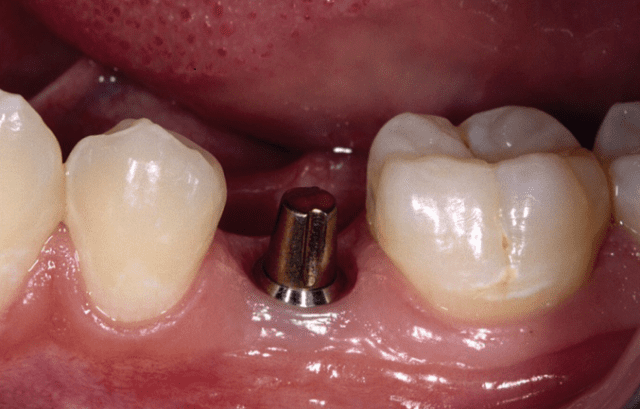
    Dental Implant with Abutment

    Dental implants are a popular solution for replacing missing teeth, providing a strong foundation for fixed or removable replacement teeth. An implant with abutment is a critical component of this dental restoration process. The implant itself is a small titanium post that is surgically placed into the jawbone, serving as an artificial tooth root. Over time, the implant fuses with the bone in a process called osseointegration, which helps to ensure stability and durability.

    The abutment is a connector that is placed on top of the dental implant, linking it to the replacement tooth or crown. This component plays a crucial role in ensuring that the new tooth is securely attached and functions like a natural tooth. For those interested in learning more about how these components work together, you can explore further details in our article on Screw in Teeth Implants Explained.

    Purpose of an Abutment

    An implant with an abutment plays a crucial role in dental restoration, serving as the connecting piece between the dental implant and the final prosthetic crown. The abutment is designed to support and stabilize the crown, ensuring that it remains securely attached to the implant. This connection is vital for maintaining the functionality and aesthetics of the dental restoration, allowing individuals to enjoy a natural-looking smile and improved oral health. The abutment is typically made from durable materials that can withstand the forces of chewing and biting, providing a long-lasting solution for those who have lost teeth.

    In addition to its structural role, the abutment also helps in achieving the correct alignment and positioning of the crown. This ensures that the prosthetic tooth fits seamlessly with the surrounding natural teeth, promoting a harmonious appearance and proper bite alignment. By facilitating a strong and stable connection, an implant with abutment contributes significantly to the overall success of dental implants. For those interested in learning more about dental restoration options, you can explore Affordable Dental Implants Commack for further information.

    Implant and Abutment Materials

    When considering an implant with abutment, understanding the materials used is essential for grasping the overall process. Typically, dental implants are crafted from biocompatible materials such as titanium or zirconia, which are known for their durability and ability to integrate with bone tissue. The abutment, which connects the implant to the prosthetic tooth, is often made from similar materials to ensure a strong and stable connection. These materials are chosen for their strength, longevity, and compatibility with the human body, making them ideal for use in dental procedures involving an implant with abutment.

    Implant Procedure Overview

    The implant procedure is a multi-step process that involves placing a dental implant with abutment into the jawbone to serve as a sturdy foundation for a replacement tooth. Initially, the dentist surgically inserts the implant, which is typically made of titanium, into the bone. Over time, the bone fuses with the implant in a process called osseointegration, ensuring stability. Once the implant is securely integrated, an abutment is attached to it, which acts as a connector between the implant and the final crown. This comprehensive approach not only restores functionality but also enhances the aesthetic appeal of one’s smile. For those interested in learning more about dental implants, Gentle Dental offers insights through their Commack Dentist services.

    Healing Process and Timeline

    The healing process and timeline for an implant with abutment can vary depending on individual circumstances, but generally, it involves several stages. After the initial placement of the implant, the body begins a process called osseointegration, where the implant fuses with the jawbone. This crucial phase can take several weeks to a few months, ensuring the implant is securely anchored. Once osseointegration is complete, the abutment is attached, which may require additional healing time for the surrounding gum tissue to adapt. Throughout this period, regular check-ups are essential to monitor progress and ensure the implant with abutment is integrating well with the natural oral structures.

    Abutment Placement Process

    The abutment placement process is a crucial step in the journey of receiving an implant with abutment. After the dental implant has successfully integrated with the jawbone, a minor surgical procedure is performed to attach the abutment. This component serves as a connector, linking the implant with the final restoration, such as a crown. During this procedure, the gum tissue is carefully opened to expose the implant, and the abutment is securely fastened. Once in place, the gum tissue is allowed to heal around the abutment, creating a stable foundation for the subsequent placement of the dental prosthesis. The entire process ensures that the implant with abutment functions effectively, providing a durable and natural-looking solution for missing teeth.

    Common Uses for Implants

    An implant with abutment is a versatile solution widely used in dental practices to address various oral health needs. These implants serve as a stable foundation for replacing missing teeth, enhancing both functionality and aesthetics. They are commonly utilized in cases where patients have lost teeth due to injury, decay, or other dental issues, providing a durable and long-lasting alternative to traditional dentures or bridges. By integrating seamlessly with the jawbone, an implant with abutment helps maintain the natural structure of the mouth, supporting overall oral health and improving the quality of life for individuals seeking effective tooth replacement options.

    Benefits of Using Implants

    An implant with abutment offers numerous benefits for individuals seeking a reliable and long-lasting solution for missing teeth. One of the primary advantages is the enhanced stability and support it provides, closely mimicking the natural tooth structure. This stability not only improves chewing efficiency but also contributes to better oral health by preventing bone loss in the jaw. Additionally, an implant with abutment can enhance overall facial aesthetics, as it helps maintain the natural shape of the face and smile. The durability and resilience of this dental solution make it a preferred choice for those looking to restore functionality and appearance with confidence.

    Potential Risks and Considerations

    When considering an implant with abutment, it’s important to be aware of potential risks and considerations associated with the procedure. While generally safe, some individuals may experience complications such as infection, nerve damage, or issues with the implant not integrating properly with the jawbone. Additionally, factors like bone density, overall oral health, and lifestyle habits can influence the success of an implant with abutment. It’s crucial to have a comprehensive understanding of these potential risks and considerations to make informed decisions about dental health.

    Conclusion

    Understanding the role of an implant with abutment is crucial for anyone considering dental restoration; for more information, call 631-261-3033 or check out the reviews on Google Maps.

    Gentle Dental NY

    December 31, 2024
  • Screw in Teeth Implants Explained

    Screw in Teeth Implants Explained

    What are screw in teeth implants, and how do they work? Screw in teeth implants are a dental solution that involves anchoring artificial teeth directly into the jawbone using a metal screw, providing a stable and durable replacement for missing teeth. This method mimics the natural tooth structure, offering both functional and aesthetic benefits.

    Screw in Teeth Implants

    Understanding Dental Implant Basics

    Screw in teeth implants, commonly known as dental implants, are a popular solution for replacing missing teeth. These implants serve as artificial tooth roots, providing a strong foundation for fixed or removable replacement teeth. The process involves inserting a small titanium post into the jawbone, which then fuses with the bone over time, ensuring stability and durability. This integration mimics the natural tooth root, allowing for normal chewing and speaking functions.

    The versatility of screw in teeth implants makes them suitable for various dental restoration needs, whether it’s a single tooth, multiple teeth, or even a full arch. They are designed to blend seamlessly with your natural teeth, offering both aesthetic and functional benefits. For those interested in exploring more about this innovative dental solution, our comprehensive Guide to Dental Implants: Key Insights provides further information on the subject.

    Types of Dental Implants

    When considering screw in teeth implants, it’s essential to understand the different types available. The most common type is the endosteal implant, which is surgically placed into the jawbone and serves as a sturdy foundation for artificial teeth. Another option is the subperiosteal implant, which rests on top of the jawbone but beneath the gum tissue. This type is typically used for patients who may not have enough healthy jawbone to support an endosteal implant. Both types aim to provide a secure and long-lasting solution for missing teeth.

    Each type of dental implant has its unique benefits and considerations, making it crucial to consult with a dental professional to determine the best fit for individual needs. Understanding these options can help patients make informed decisions about their oral health. For more information on screw in teeth implants and to explore your options, visit Commack’s Best Dental Implants.

    Benefits of Teeth Implants

    Screw in teeth implants offer a range of benefits that make them a popular choice for those seeking to restore their smile and oral functionality. One of the primary advantages is their ability to mimic the look and feel of natural teeth, providing a seamless and aesthetically pleasing appearance. These implants are designed to integrate with the jawbone, which helps in maintaining bone density and preventing the deterioration that can occur with missing teeth. Additionally, screw in teeth implants are known for their durability and longevity, often lasting many years with proper care. This stability allows individuals to enjoy their favorite foods without worry, as the implants provide a strong and secure bite. Overall, screw in teeth implants contribute to improved oral health, enhanced confidence, and a better quality of life.

    Implant Procedure Overview

    The process of screw in teeth implants involves several key stages that are essential for achieving a successful outcome. Initially, a comprehensive evaluation is conducted to assess the patient’s oral health and determine the suitability for implants. This is followed by the surgical placement of the implant, which is a titanium post that acts as a root for the new tooth. Once the implant is securely positioned in the jawbone, a healing period is necessary to allow for osseointegration, where the bone fuses with the implant. After sufficient healing, an abutment is attached to the implant, serving as a connector for the final restoration. The last step involves placing a custom-made crown on top of the abutment, completing the restoration and providing a natural-looking and functional tooth replacement. For those interested in learning more about dental procedures, Gentle Dental offers insights through their Commack Dentist services.

    Healing Process After Implants

    The healing process after receiving screw-in teeth implants is a crucial phase that involves the integration of the implant with the jawbone, a process known as osseointegration. This period can vary in duration depending on individual health factors and the specific location of the implant. During this time, the body works to naturally fuse the titanium post of the implant with the bone, creating a stable foundation for the artificial tooth. It’s common for patients to experience some swelling and discomfort initially, which gradually subsides as healing progresses. Regular follow-up appointments are typically scheduled to monitor the healing and ensure that the implant is properly integrating with the bone structure.

    Potential Risks and Complications

    When considering screw in teeth implants, it’s important to be aware of potential risks and complications that may arise. While these implants are generally safe and effective, some individuals may experience issues such as infection at the implant site, injury to surrounding teeth or blood vessels, or nerve damage that can lead to pain, numbness, or tingling. Additionally, there is a possibility of implant failure if the bone does not adequately fuse with the implant, which can result in loosening or falling out of the implant. Understanding these potential complications is crucial for anyone exploring the option of screw in teeth implants.

    Longevity of Dental Implants

    Screw in teeth implants, commonly known as dental implants, are renowned for their durability and long-lasting nature. These implants are designed to integrate with the jawbone, providing a stable and permanent solution for missing teeth. The longevity of dental implants can often surpass other dental restoration options, making them a popular choice for those seeking a reliable and enduring solution. With proper care and maintenance, screw in teeth implants can last for many years, contributing to improved oral health and functionality. Their ability to withstand the daily pressures of chewing and speaking underscores their reputation as a robust and resilient option in modern dentistry.

    Comparing Implants to Other Options

    When considering tooth replacement solutions, screw in teeth implants stand out as a durable and long-lasting option compared to other alternatives like dentures or bridges. Unlike traditional dentures, which can sometimes slip or cause discomfort, screw in teeth implants are securely anchored into the jawbone, providing a stable and natural feel. Bridges, while effective, often require the alteration of adjacent healthy teeth, whereas implants preserve the integrity of surrounding teeth. This makes screw in teeth implants a compelling choice for those seeking a more permanent and natural-looking solution to tooth loss.

    Innovations in Implant Technology

    In recent years, the field of dental implants has seen remarkable advancements, particularly in the development of screw in teeth implants. These innovations have focused on improving the materials and techniques used, resulting in implants that are more durable and biocompatible. Cutting-edge technology has enabled the creation of implants that better mimic the natural tooth structure, enhancing both functionality and aesthetics. Additionally, advancements in digital imaging and 3D printing have streamlined the implant process, allowing for more precise placement and a quicker recovery time. As research continues to evolve, screw in teeth implants are becoming an increasingly reliable option for those seeking to restore their smiles with confidence.

    Conclusion

    Understanding screw in teeth implants can be a crucial step towards making informed decisions about dental health. For more information or to discuss your options, call 631-261-3033 or check out the reviews on Google Maps.

    Gentle Dental NY

    December 31, 2024
  • Guide to Dental Implants: Key Insights

    Guide to Dental Implants: Key Insights

    What should you know about the guide to dental implants? This comprehensive overview provides essential insights into the process, benefits, and considerations of dental implants, helping you understand their role in modern dentistry.

    Guide to Dental Implants: Understanding Dental Implants Basics

    In the guide to dental implants, understanding the basics is crucial for anyone considering this dental solution. Dental implants are artificial tooth roots, typically made of titanium, that are surgically placed into the jawbone. They serve as a sturdy foundation for fixed or removable replacement teeth, designed to match your natural teeth in appearance and function. This innovative approach to tooth replacement has gained popularity due to its durability and the way it integrates with the bone, providing a stable and long-lasting solution.

    The process of getting dental implants involves several stages, including an initial consultation, surgical placement of the implant, and a period of healing where the implant fuses with the jawbone. This fusion process, known as osseointegration, is what sets dental implants apart from other tooth replacement options. For a deeper understanding of how dental implants compare to natural teeth, you can explore our detailed comparison in the article Dental Implants vs Real Teeth: Pros & Cons.

    Types of Dental Implants

    In the comprehensive guide to dental implants, understanding the different types of dental implants is crucial for anyone considering this dental solution. Dental implants are generally categorized based on their placement and the procedure used. The most common types include endosteal implants, which are surgically placed into the jawbone, and subperiosteal implants, which sit on top of the jawbone but under the gum tissue. Each type has its unique characteristics and suitability depending on individual dental needs and bone structure.

    Another aspect to consider in the guide to dental implants is the material used in these implants, which can vary from titanium to zirconia. These materials are chosen for their durability and compatibility with human bone, ensuring a long-lasting solution for missing teeth. For those interested in exploring more about dental implants, visiting a reputable source like Quality Dental Implants Commack can provide further insights into the options available.

    Dental Implant Procedure Overview

    In the guide to dental implants, understanding the dental implant procedure is crucial for anyone considering this option for tooth replacement. The process typically involves several stages, beginning with a comprehensive evaluation by a dental professional to assess the suitability of implants for the patient. Once deemed appropriate, the procedure involves surgically placing a titanium post into the jawbone, which acts as a sturdy foundation for the artificial tooth. Over time, this post integrates with the bone in a process known as osseointegration, ensuring stability and durability. After successful integration, an abutment is attached to the post, and a custom-made crown is placed on top, completing the restoration and providing a natural-looking and functional replacement for missing teeth.

    Benefits of Dental Implants

    Dental implants have become a popular choice for individuals seeking to restore their smiles and improve oral health. One of the primary benefits of dental implants is their ability to function like natural teeth, providing a stable and durable solution for missing teeth. Unlike dentures, dental implants are anchored directly into the jawbone, which helps maintain bone density and prevent the deterioration that often accompanies tooth loss. This integration not only enhances the strength and stability of the implant but also contributes to a more natural appearance and feel. Additionally, dental implants do not require the alteration of adjacent teeth, preserving the overall integrity of your dental structure. For those exploring options in the guide to dental implants, it’s important to consider how these benefits can contribute to long-term oral health and quality of life. For more information on dental care, visit Gentle Dental, your trusted Commack Dentist.

    Potential Risks and Complications

    In the guide to dental implants, it’s important to acknowledge that, like any surgical procedure, dental implants come with potential risks and complications. While dental implants boast a high success rate, some individuals may experience issues such as infection at the implant site, injury or damage to surrounding structures like teeth or blood vessels, nerve damage that can lead to pain or numbness, and sinus problems when implants placed in the upper jaw protrude into sinus cavities. Understanding these potential risks is crucial for anyone considering this dental solution, as it allows for informed decision-making and realistic expectations regarding the outcomes of the procedure.

    Dental Implant Maintenance

    In the comprehensive guide to dental implants, understanding the importance of dental implant maintenance is crucial for ensuring their longevity and functionality. Dental implants require regular care to maintain their appearance and performance, similar to natural teeth. This involves routine oral hygiene practices and periodic check-ups with a dental professional to monitor the condition of the implants and surrounding tissues. Proper maintenance helps in preventing potential issues such as gum disease or implant failure, thereby preserving the investment in your oral health. By incorporating dental implant maintenance into your daily routine, you contribute to the overall success and durability of your dental implants.

    Comparing Implants to Other Options

    In the guide to dental implants, it’s essential to understand how implants compare to other tooth replacement options. Dental implants are often contrasted with dentures and bridges, each having unique characteristics. While dentures are removable and can replace multiple teeth, bridges are fixed and typically used for replacing one or a few adjacent teeth. Implants, on the other hand, are surgically placed into the jawbone, offering a more permanent solution that mimics the natural tooth structure. This comparison highlights the diverse choices available for those seeking to restore their smile, emphasizing the importance of considering various factors such as longevity, comfort, and maintenance when exploring the guide to dental implants.

    Cost Factors of Dental Implants

    When exploring the guide to dental implants, understanding the cost factors involved is crucial for potential candidates. The overall expense of dental implants can vary significantly based on several elements, including the geographical location of the dental practice, the expertise and experience of the dental professional, and the specific materials used in the implant process. Additionally, the complexity of the individual case, such as the need for bone grafting or additional procedures, can influence the total cost. It’s important to consider these variables when evaluating the financial aspects of dental implants to ensure a comprehensive understanding of what the investment entails.

    Dental Implant Success Rates

    When exploring the guide to dental implants, understanding the success rates is crucial for anyone considering this dental solution. Dental implants are known for their high success rates, often reported to be around 95% or higher. This impressive statistic is attributed to advancements in dental technology and the expertise of dental professionals. Factors such as the patient’s oral health, the quality of the jawbone, and adherence to post-operative care can influence these rates. However, the overall reliability of dental implants makes them a popular choice for those seeking long-term solutions for missing teeth.

    Conclusion

    In summary, this guide to dental implants provides essential insights for anyone considering this option; for more information, call 631-261-3033 or check out the reviews on Google Maps.

    Gentle Dental NY

    December 31, 2024

Gentle Dental – Commack

Proudly making smiles brighter in the Commack area.

Book An Appointment

Contact

777 Larkfield Rd # 107, Commack, NY 11725, United States

(631) 261-3033

Services

  • All-On-4 Dental Implants

  • Cosmetic Dentistry

  • Dental Implants

  • Invisalign

  • Periodontal Care

  • Restorative Dentistry

Hours

Monday: 8 AM–6 PM
Tuesday: 9 AM–6 PM
Wednesday: 8 AM–4 PM
Thursday: 8 AM–4 PM
Friday: 8 AM–3 PM
Saturday: 8 AM–1 PM
Sunday: Closed

© 2026 Gentle Dental – Commack. Privacy Policy